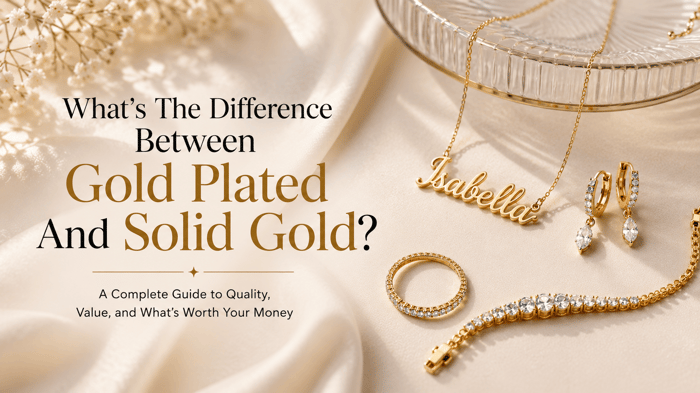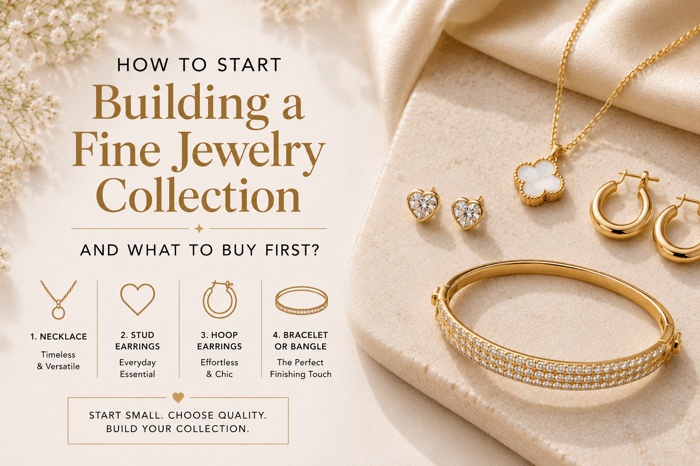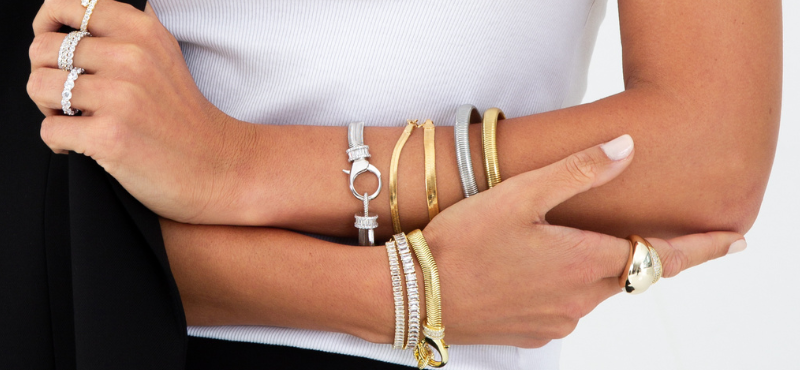


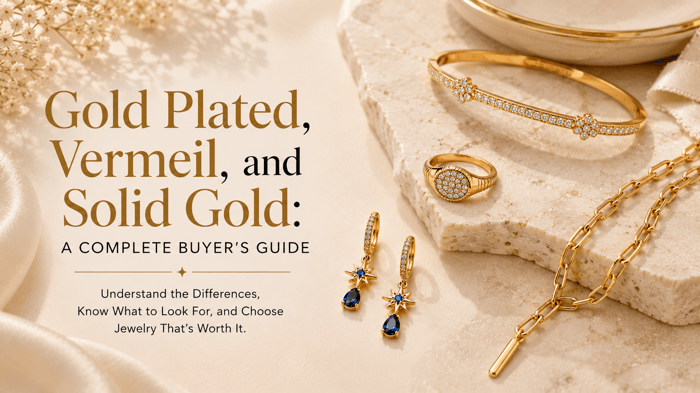
If you have ever shopped for gold jewelry and found yourself wondering whether "gold vermeil" is just a fancier way of saying "gold plated," you are not alone. The labels look similar, the prices vary wildly, and most product descriptions do not explain the difference in any useful way.
Here is the short version: gold plated, gold vermeil, and solid gold are three distinct material categories. They differ in base metal, gold thickness, durability, and price.
The right choice has nothing to do with which one sounds most impressive. It comes down to how often you plan to wear the piece, how long you want it to last, and how much you are willing to spend.
Key takeaway: The best jewelry material is not the most expensive one. It is the one that matches your wear habits, budget, and expectations.
This guide breaks down each material clearly, compares them side by side, and gives you a practical framework for choosing the right one before you buy.
What Is the Difference Between Gold Plated, Vermeil, and Solid Gold?
The three materials share a gold appearance but differ significantly in what is underneath the surface and how long that surface holds up.
- Gold-plated: A thin layer of gold applied over a base metal, typically brass or copper. The most affordable option and the least durable over time.

- Gold vermeil: A legally defined type of gold plating, but with two important requirements: the base must be sterling silver, and the gold layer must meet a minimum thickness standard. A meaningful step up from standard plating.
- Solid gold: Gold alloy throughout the entire piece, not just on the surface. The longest-lasting option and the highest price point.
The FTC Consumer Advice on buying gold jewelry confirms that solid gold items should carry a karat mark such as 14K or 18K, and that gold plating wears away over time depending on thickness and how often the piece is worn.
Your decision comes down to three questions: How often will you wear it? How long do you need it to last? What is your budget?
What Does Gold-Plated Jewelry Mean?
Gold-plated jewelry starts with a base metal, usually brass or copper, and gets a thin layer of gold applied to the surface through a process called electroplating. The result looks like gold and costs a fraction of what solid gold does.

The tradeoff is durability. Because the gold layer is thin, it can wear down over time with repeated friction, exposure to moisture, sweat, and skincare products. How quickly that happens depends on the thickness of the plating and how hard the piece is worn.
What gold plating is best for:
- Trend-driven pieces you rotate seasonally rather than wear every day
- Occasion jewelry you reach for a few times a year
- Lower-commitment purchases, where you want the look without the long-term investment
- Trying a style before deciding whether to invest in a more durable version
Not all gold-plated jewelry performs the same. Plating thickness and base metal quality vary by brand, so a well-made plated piece from a quality jeweler will outlast a cheaply produced one even at a similar price point. The label alone does not tell the whole story.
What Makes Gold Vermeil Different?
Gold vermeil (pronounced "ver-may") looks similar to standard gold plating, but it carries a legal definition that sets it apart. According to the FTC Jewelry Guides, vermeil must use sterling silver as the base metal and must meet a minimum gold thickness standard, typically 2.5 microns.
Why this matters: Sterling silver is a significantly more valuable base than brass or copper. If the gold layer does wear down over time, what is underneath is still a quality material rather than a base metal that may cause skin reactions.
What sets vermeil apart from standard plating:
- The base is always sterling silver, not brass or copper
- The gold layer is thicker, which generally improves how long the finish holds up
- The term is legally regulated, so it carries more accountability than an unqualified "gold-plated" label
- It sits at a meaningful middle tier between fashion jewelry pricing and fine jewelry pricing
Vermeil is the right choice when you want an elevated everyday feel, you are not ready to pay solid gold prices, and you want the assurance that the piece is built on a quality foundation.
It still requires care and is not the same as lifetime-wear solid gold, but it is a genuine upgrade from standard plating.
What Does Solid Gold Mean, and Why Does Karat Matter?
Solid gold means the piece is made of a gold alloy throughout, not just coated on the surface. There is no base metal underneath waiting to show through. The gold goes all the way.
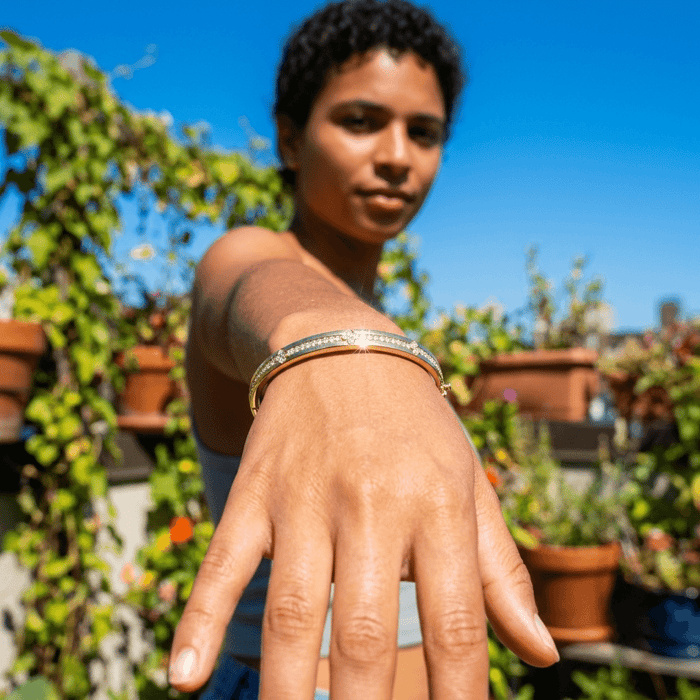
The karat mark tells you how much pure gold is in the alloy. Pure gold (24K) is too soft for most jewelry, so it is alloyed with other metals to add strength. Here is how the most common karat options compare:
Karat breakdown
- 10K: 41.7% pure gold. The most durable and most affordable solid gold option. Holds up well to daily wear but has a slightly less warm tone.
- 14K: 58.3% pure gold. The most popular choice for everyday fine jewelry. Balances durability, color, and price in a way that suits most wearers.
- 18K: 75% pure gold. Richer color and higher purity, but slightly softer and more expensive. Common in high-end fine jewelry.
14K tends to be the sweet spot for buyers who want genuine fine jewelry longevity without paying the premium of 18K. It is durable enough for daily rings, necklaces, and earrings, and it holds its finish over years of regular wear.
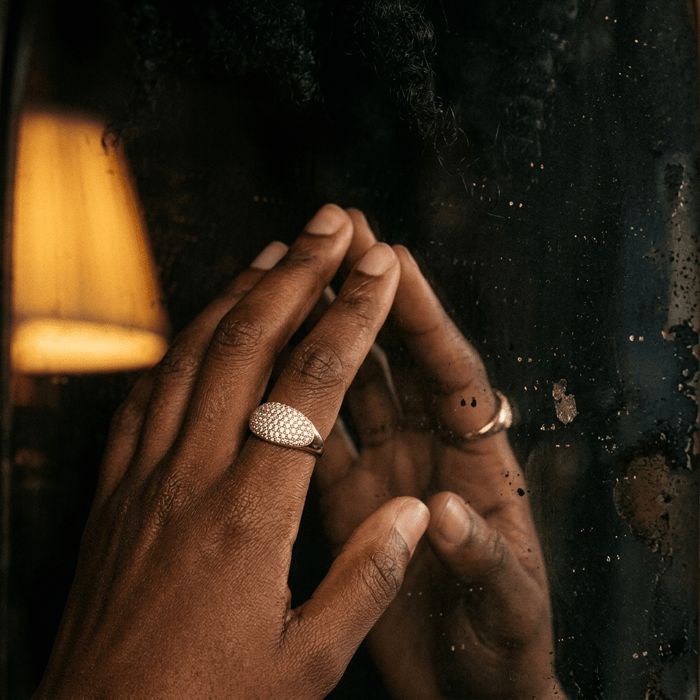
Solid gold is the right investment for everyday staples you plan to keep long-term, sentimental gifts, and pieces where you genuinely do not want to think about replacement.
Gold Plated vs. Vermeil vs. Solid Gold: Side-by-Side Comparison
Here is how the three materials compare across the factors that matter most to buyers:
Gold Plated | Gold Vermeil | Solid Gold | |
Base metal | Brass or copper | Sterling silver | Gold alloy throughout |
Gold layer | Thin (varies by brand) | Thicker (min. 2.5 microns) | Not applicable |
Durability | Wears down over time | Better than plated; still requires care | Longest-lasting |
Price tier | Most affordable | Mid-range | Highest |
Best for | Trend pieces, occasion wear | Elevated every day, budget-conscious upgrade | Daily staples, gifts, long-term pieces |
Skin sensitivity | Varies by base metal | A sterling silver base is generally gentler | Generally well-tolerated |
Maintenance | Higher; avoid moisture and friction | Moderate | Lower, still benefits from proper storage |
No single option is universally best. The table above is a decision tool, not a ranking. A gold-plated piece worn twice a year will outlast a solid gold ring worn incorrectly every day. Care habits matter across all three categories.
How to Choose the Right One for Your Budget and Lifestyle?
The comparison table tells you what each material is. This section tells you which one to actually buy.
Choose gold plated if:
- You are buying a trend piece you will rotate out within a season or two
- You want to try a style before committing to a more durable version
- The jewelry is for occasional wear rather than daily use
- Budget is the primary factor, and longevity is not
Choose gold vermeil if:
- You want a more elevated everyday feel without the price of solid gold
- You have sensitive skin and want the assurance of a sterling silver base
- You are buying a gift and want something that feels more considered than standard fashion jewelry
- You are building a collection and want quality pieces at accessible prices
Choose solid gold if:
- You wear the piece every single day, including rings and necklaces that take the most friction
- You are buying a sentimental gift or a piece with long-term meaning
- You want jewelry you genuinely do not want to replace
- You are investing in staple pieces like hoops, chains, or stacking rings you will wear for years
The most common mistake is buying a gold plated piece for daily wear and expecting it to perform like solid gold. Match the material to the role the piece will play in your wardrobe, and you will always get the right value from what you spend.
A Few Care Rules That Make Any Gold Jewelry Last Longer
Regardless of which material you choose, how you care for it will determine how long it stays looking its best. The rules are simple and apply across all three categories.
The biggest enemies of gold jewelry finishes:
- Moisture: water, sweat, and humidity accelerate wear on plated and vermeil pieces
- Products: perfume, lotion, sunscreen, and hairspray should go on before jewelry goes on
- Friction: rings and bracelets take more daily friction than earrings or necklaces. Factor this into your material choice
- Storage: Pieces stored loosely and touching each other will scratch faster than pieces stored separately
Care checklist
- Put jewelry on last, after applying any products to your skin or hair
- Remove jewelry before showering, swimming, or exercising
- Store pieces individually, ideally in a soft pouch or a lined jewelry box
- Wipe pieces gently with a soft cloth after wearing to remove oils and residue
- For solid gold, periodic professional cleaning keeps the finish looking new
Solid gold is the most forgiving of the three, but it still benefits from these habits. Plated and vermeil pieces reward consistent care with noticeably longer finishes. The effort is minimal once it becomes routine.
Buy for How You Actually Wear It
Gold plated, gold vermeil, and solid gold each have a valid place in a jewelry wardrobe. None of them is the wrong choice in the right context.
The mistake most buyers make is not choosing the cheapest option. It is choosing a material that does not match their expectations. A plated piece worn daily will disappoint. A solid gold piece bought for occasional wear is simply more than the situation requires.
Before you buy, ask yourself three questions:
- How often will I actually wear this?
- How long do I want it to last?
- What is the right budget for that level of commitment?
Once you know the answers, the material choice is straightforward. If you are ready to explore, browse by material to find pieces that match how you actually wear jewelry, whether you are looking for trend-forward fashion pieces, quality everyday staples, or fine jewelry built to last.
FAQs
What is the difference between gold plated and solid gold?
Gold plated jewelry has a thin layer of gold over a base metal, while solid gold is gold alloy throughout the piece. That makes solid gold more durable, more valuable, and better for daily wear, while gold plated is more affordable and better for occasional use
Is gold vermeil better than gold plated?
Gold vermeil is usually a step up from standard gold plating because it must use sterling silver as the base and a thicker gold layer. It is generally more durable and better suited to buyers who want a more elevated finish without paying solid gold prices.
Does gold plated jewelry tarnish?
Gold plated jewelry can wear down over time as the gold layer thins, especially with frequent friction, moisture, perfume, and lotions. The base metal may eventually show through, which is why plated pieces usually need more care than vermeil or solid gold.
What karat of solid gold is best for everyday wear?
14K gold is often the best everyday choice because it balances durability, color, and price. It is strong enough for regular wear while still giving you the look and longevity most buyers want from fine jewelry.