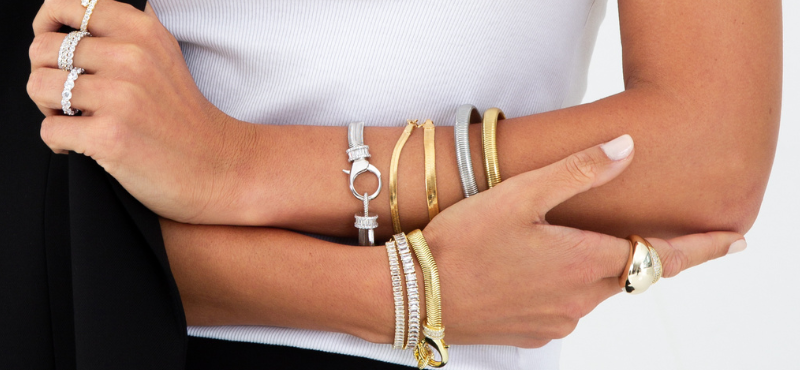



The best quality charm bracelet can last a lifetime if you treat it right. The same piece can look dull and worn in under a year if you do not.
Most people are not neglecting their jewelry on purpose. They just never learned the basics. Nobody tells you that perfume corrodes metal, that sleeping in your bracelet stretches the chain, or that the way you store your jewelry matters almost as much as the way you wear it.
This guide covers everything you need to know to keep your charm bracelet looking exactly the way it did on day one.
Why Charm Bracelets Need Extra Attention?
Charm bracelets take more wear and tear than almost any other piece of jewelry. Think about what they go through in a single day:
Constant movement and flexing with every gesture you make.
Contact with skin, sweat, and natural body oils throughout the day.
Exposure to hand creams, soaps, and sanitizers every time you wash your hands.
Rubbing against surfaces, clothing, and other bracelets in a stack.
Picking up dust, product residue, and environmental pollutants over time.
A necklace sits relatively still. A ring moves but stays in one plane. A bracelet does all of this at once, which is why it needs more consistent care than most other jewelry in your collection.
The good news is that the care routine is not complicated. It just has to be consistent.
Know Your Metal Before You Do Anything Else
Different metals have different needs, and cleaning the wrong way can cause more damage than skipping it entirely.
1. Solid 14K Gold
This is the most forgiving metal for everyday wear. It does not tarnish, it is durable, and it responds well to gentle cleaning.
Solid gold just needs warm water, a drop of mild dish soap, a soft toothbrush, and a gentle rinse. That is genuinely all it takes to keep it looking sharp.
2. Gold Vermeil and Gold-Filled
These need a lighter touch than solid gold. The gold layer is real but thinner, so you want to avoid abrasive cloths, harsh chemicals, and anything that might accelerate wear on the surface. Stick to a soft, damp cloth and dry thoroughly after.
3. Gold-Plated
The most delicate finish of the three. Clean sparingly, avoid water when possible, and never use anything abrasive. Pat dry immediately if it does get wet.
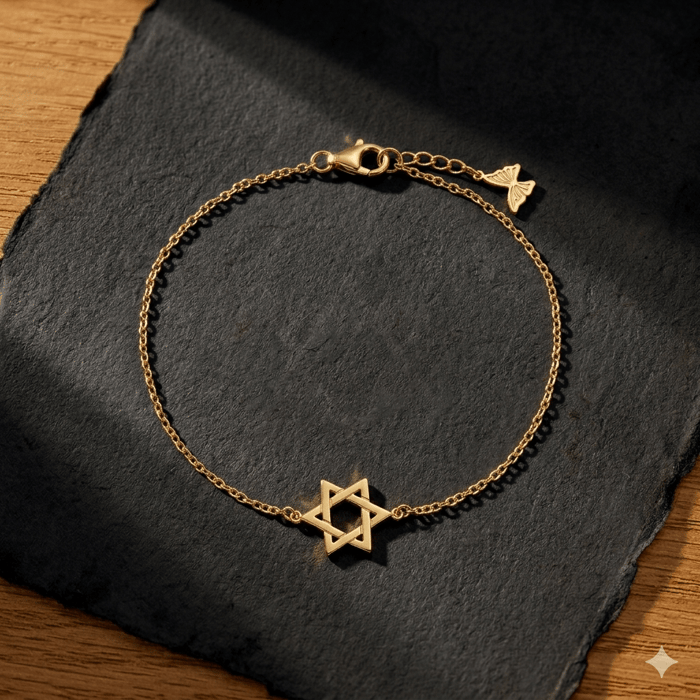
The Adina Eden Solid Star of David Charm Bracelet is a great example of a piece where the 14K gold construction means you are not fighting against the material every time you clean it.
4. Sterling Silver
Silver tarnishes with exposure to air and sulfur compounds. A silver polishing cloth handles light tarnish well. For heavier buildup, a paste of baking soda and water applied with a soft cloth works, followed by a thorough rinse and dry.
Build a Simple Weekly Cleaning Routine
You do not need a professional cleaning kit or an ultrasonic machine. What you need is five minutes and the right approach.
Here is a simple weekly routine that works for most charm bracelets made from solid gold or high-quality vermeil:
Fill a small bowl with warm water and add one drop of mild dish soap.
Place the bracelet in the bowl and let it soak for three to five minutes.
Use a soft-bristled toothbrush to gently work around the charms, chain links, and clasp.
Rinse thoroughly under clean running water, making sure no soap residue remains.
Pat dry with a soft lint-free cloth.
Let it air dry completely before storing or wearing it again.
For bracelets with enamel details, like pieces featuring colorful evil eye or hamsa charms, be gentler around those sections. Enamel is durable but can chip if scrubbed too aggressively.
The Daily Habits That Make the Biggest Difference
Cleaning matters, but daily habits matter more. Most jewelry damage is cumulative, built up from small exposures that each seem harmless on their own.
Put your bracelet on last.
Apply perfume, lotion, hairspray, and sunscreen before you put your jewelry on. These products contain chemicals and alcohol that break down metal finishes and dull stones over time. Letting them dry on your skin before adding your bracelet makes a real difference.
Take it off before water exposure.
Showers, swimming pools, and the ocean are all hard on jewelry. Chlorine is particularly damaging to gold alloys and can cause discoloration over time. Saltwater is abrasive. Even tap water with high mineral content can leave deposits on stones and chains. The bracelet comes off before any of that.
Be mindful during workouts.
Sweat is mildly acidic and will accelerate tarnishing on lower-quality metals. Even on solid gold, sweat combined with friction can dull the surface faster. If you wear your bracelet to the gym, rinse it with clean water afterward and dry it thoroughly.
Remove it before sleep.
Sleeping in a bracelet puts stress on the chain and clasp in ways you do not notice until a link opens or the clasp stops working properly. It also increases the chance of the bracelet catching on bedding and pulling a charm loose. The thirty seconds it takes to remove it before bed genuinely extends the life of the piece.
Cleaning Around Charms and Settings
Charms are where product residue and grime collect most aggressively, especially around bezel settings, pavé stones, and engraved surfaces.
The Adina Eden Pave Accented Flat Bubble Letter Nameplate Bracelet is a good example of a piece where cleaning technique really matters. The pavé-set stones along the letters and the engraved nameplate detailing create small recesses where buildup can hide.
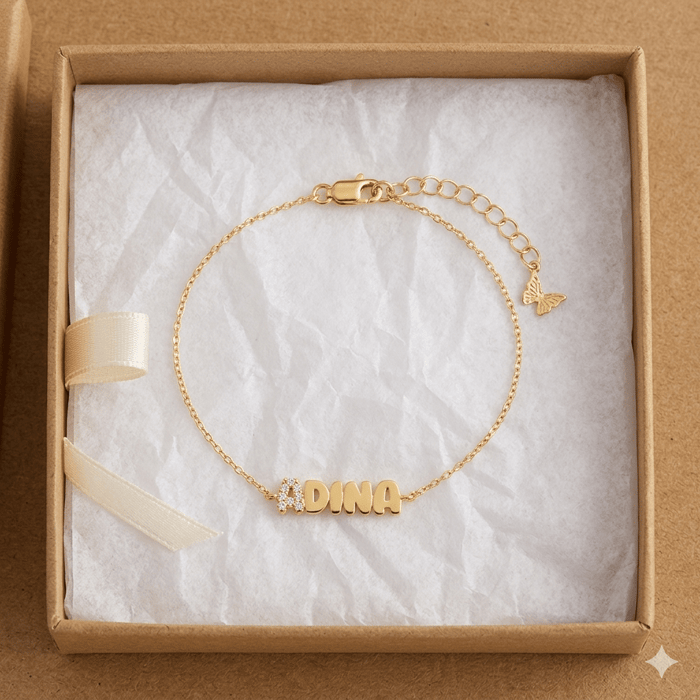
A soft toothbrush gets into those spaces in a way a cloth simply cannot. Work gently in small circular motions rather than scrubbing back and forth, which can scratch softer metals or loosen stones over time.
For bezel-set pieces, the metal rim around each stone can collect a thin film of soap, lotion, or natural oils. Check these areas during your weekly clean by holding the bracelet up to a light source. If the stones look dull or cloudy, that film is usually the culprit, and a gentle brush and rinse will fix it quickly.
How to Handle Hand Chains Specifically
Hand chains add a beautiful dimension to bracelet styling but they come with their own care considerations. The chain that drapes across the back of the hand connects to both a wrist bracelet and a ring, which means two points of attachment that need regular attention.
The Adina Eden CZ Bezel Multi Shape Hand Chain Bracelet features bezel-set cubic zirconia in multiple shapes along the chain, which means there are more settings to keep clean and more connection points to monitor.
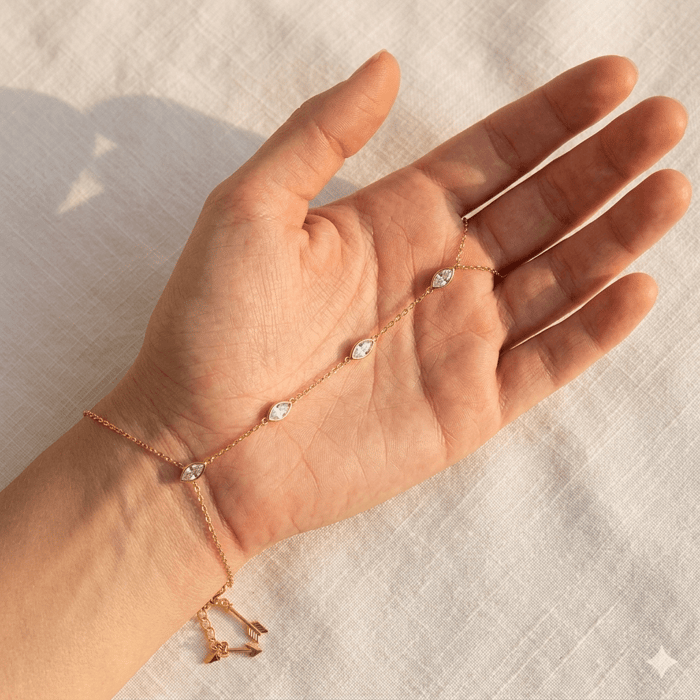
Check the ring attachment and the wrist clasp regularly to make sure neither has loosened with wear. The chain itself should be inspected for any links that look stretched or stressed, since the draping format means it catches on things more easily than a standard bracelet.
When storing a hand chain, lay it flat rather than coiling it. The multi-point structure can tangle easily if it is folded or bundled, and untangling a delicate hand chain without stressing the links takes patience you might not always have.
Storage Is Half the Battle
How you store your charm bracelet when you are not wearing it matters almost as much as how you clean it. Here is what works and what does not:
Do store each bracelet separately in a soft pouch or lined jewelry box compartment to prevent scratching.
Do keep jewelry away from humidity by avoiding bathroom storage, even if it is convenient.
Do use anti-tarnish strips in your jewelry storage area if you have silver pieces or live in a humid climate.
Do not pile bracelets together in an open dish where they can scratch each other and tangle.
Do not store in direct sunlight, as UV exposure can fade enamel and affect certain stones over time.
Do not use plastic bags for long-term storage, as some plastics off-gas chemicals that can affect metal finishes.
A dedicated small tray or a jewelry roll with individual pockets is genuinely worth the small investment if you are building a bracelet collection.
When to Take It to a Professional?
Home care handles most situations, but some things need a professional jeweler:
A clasp that has stopped closing securely or feels loose.
A charm that has shifted in its setting or feels unstable.
Visible scratches on solid gold that you want buffed out.
Significant tarnish on silver that polishing cloths are not resolving.
Any stone that looks like it might be coming loose from its bezel or pavé setting.
Most jewelers offer cleaning and inspection services that are inexpensive and genuinely extend the life of your pieces. An annual check-in is a reasonable habit for any charm bracelet you wear regularly.
The Bottom Line
The best quality charm bracelet is built to last. But built to last does not mean built to neglect. A consistent care routine, smart daily habits, proper storage, and the occasional professional check-in are all it takes to keep your bracelet looking exactly the way it should.
Adina Eden builds its charm bracelets with materials that reward this kind of attention. Solid 14K gold does not tarnish. Quality bezel settings hold stones securely. Thoughtful construction means the pieces can handle daily life and still clean up beautifully. Give your bracelet the care it deserves, and it will give you years of wear in return.