




Fashion Jewelry Trends Under $50: What's Hot in 2026 and How to Wear It
The fashion jewelry landscape evolves constantly, with new trends emerging from runways, social media, and street style while others fade into memory. Staying current with these shifts allows you to express contemporary style without appearing dated or disconnected from current fashion movements. The under $50 category has become the sweet spot for trend adoption—affordable enough to experiment without significant financial risk, yet quality enough to look intentional rather than cheap. This comprehensive guide explores the defining jewelry trends of 2026, how they evolved, and most importantly, how to incorporate them into your personal style.
The Current State of Fashion Jewelry Trends
Contemporary jewelry trends reflect broader cultural shifts toward individual expression, sustainability consciousness, and the blending of traditional luxury aesthetics with accessible price points. Social media has democratized trend cycles, allowing styles to emerge from anywhere rather than trickling down exclusively from high fashion runways.
This acceleration means trends appear, peak, and evolve faster than ever before. A style can dominate Instagram feeds for months before suddenly feeling oversaturated. Successfully navigating this rapid cycle requires understanding which trends have staying power versus which represent fleeting moments.
The under $50 market responds to trends more quickly than fine jewelry but with better quality than ultra-fast fashion. Brands like Adina Eden, with daily new arrivals, occupy the optimal position—fresh enough to capture emerging trends while maintaining quality that outlasts the trend itself.
Chunky Gold Chains: The Defining Trend
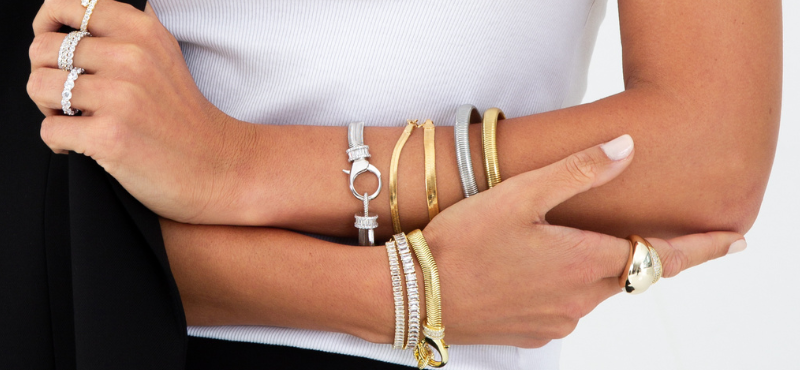
Substantial gold chain necklaces and bracelets have dominated jewelry trends and show no signs of fading. These pieces make bold statements while remaining surprisingly versatile, working with everything from casual t-shirts to elegant evening wear.
The Evolution of Chain Jewelry
Chain jewelry has existed forever, but recent years have seen a shift toward substantial, statement-making designs rather than delicate options. This evolution reflects broader fashion movements toward bold, confident self-expression and the mixing of traditionally masculine and feminine aesthetics.
The current chain trend encompasses various styles:
Paperclip chains: These elongated, geometric links create modern, architectural looks that feel fresh and contemporary. They work beautifully alone or layered with other chains.
Cuban link chains: Traditionally associated with hip-hop culture, these substantial chains have crossed into mainstream fashion, appealing to anyone seeking bold, luxurious-looking jewelry.
Figaro chains: Alternating link sizes create visual interest and texture while maintaining classic appeal that transcends trend cycles.
Rope chains: Twisted, dimensional designs catch light beautifully and add texture to simple outfits.
Styling Chunky Chains
These substantial pieces work best as focal points rather than layered heavily with other bold jewelry. A chunky gold chain paired with simple earrings and minimal rings creates balanced, intentional looks.
For casual styling, wear chains with basic t-shirts, simple sweaters, or minimalist tops that let the jewelry shine. The contrast between casual clothing and luxe-looking jewelry creates an effortlessly chic aesthetic popular on social media.
For professional settings, choose medium-weight chains rather than the heaviest options. The substantial presence adds polish without overwhelming conservative workplace environments.
Evening styling allows for the boldest chain options. Statement chains elevate simple black dresses or monochromatic outfits, providing necessary visual interest without competing with elaborate clothing.
Adina Eden's chain collection ranges from moderately substantial to truly bold, allowing you to choose pieces matching your comfort level and styling needs. The consistent quality across sizes ensures even the chunkiest pieces maintain beautiful finish and durability rather than feeling cheap despite their presence.
Layered Necklaces: Mastering the Art of Stacking
While layering isn't new, the approach has evolved toward more intentional, curated combinations rather than simply wearing multiple random pieces together.
Creating Cohesive Layered Looks
Successful necklace layering follows some general principles that create harmony rather than chaos:
Vary lengths significantly: Necklaces that sit too close in length create cluttered, confused appearances. Aim for at least 2-inch differences between layers, allowing each piece to occupy distinct visual space.
Mix delicate and substantial: Combining various weights creates dimensional interest. Pairing thin chains with slightly thicker options provides pleasing contrast.
Coordinate metals thoughtfully: While mixed metals work wonderfully, intentional mixing differs from accidental mismatching. If mixing metals, do so boldly with clear intention rather than timidly.
Consider pendant placement: If layering pieces with pendants, ensure they don't cluster awkwardly or compete for the same visual space. Stagger pendant sizes and positions for best results.
Ready-Made Layered Pieces
Many brands, including Adina Eden, now offer pre-layered necklaces that eliminate guesswork. These pieces provide the layered aesthetic with the convenience of single clasps and guaranteed coordination. They work particularly well for those who love the layered look but struggle with styling individual pieces or find multiple clasps frustrating.
Building Your Layering Collection
Start with simple chains in various lengths. Once you establish this foundation, add pieces with pendants, textures, or colors that introduce personality while working within your existing collection.
Quality matters significantly in layered looks because you're wearing multiple pieces simultaneously, multiplying the impact of cheap-looking jewelry. When all layers maintain consistent quality, the overall effect feels intentional and polished rather than costume-like.
Asymmetrical and Mismatched Earrings
The trend toward intentionally mismatched earrings has evolved from runway gimmick to mainstream acceptance, allowing for creative expression and individuality.
Types of Asymmetrical Styling
Subtly different: Wearing variations of the same earring style—perhaps different sizes or slightly varied designs—creates interest while maintaining cohesion.
Boldly mismatched: Pairing completely different earring styles makes dramatic statements. This might mean a hoop in one ear and a stud in the other, or different lengths of drop earrings.
One statement, one simple: Wearing a statement earring in one ear while keeping the other minimal or even empty creates balanced asymmetry that feels intentional rather than accidental.
Making Asymmetrical Earrings Work
This trend requires confidence—you're intentionally breaking traditional matching rules. The key is ensuring the mismatch feels deliberate through thoughtful combinations rather than appearing like you forgot to match your jewelry.
Consider your face shape and hair style when choosing which ear receives the statement piece. If you typically wear hair swept to one side, place the bolder earring on the exposed side for maximum visibility.
Start conservatively if you're hesitant about this trend. Subtle variations feel less dramatic than completely mismatched styles, allowing you to experiment before committing fully to bold asymmetry.
Colored Stones and Vibrant Accents
While clear cubic zirconia remains popular for its diamond-like appearance, colored stones have surged in popularity as people seek more personality and individuality in their jewelry.
Popular Stone Colors
Emerald green: Rich, jewel-toned greens add sophistication and luxury while working with a wide range of outfit colors.
Sapphire blue: Deep blues provide classic elegance and pair beautifully with both warm and cool-toned metals.
Ruby red: Bold reds make statements and work particularly well in evening or special occasion jewelry.
Mixed colors: Rainbow or multi-stone designs appeal to maximalist aesthetics and allow single pieces to work with numerous outfits.
Incorporating Colored Stones
Start with one colored piece and build outfits around it. Let the stone color inspire clothing choices rather than forcing jewelry to match existing wardrobes exactly.
For professional environments, choose deeper, richer tones over bright, candy-colored options. Emerald, sapphire, and garnet tones feel sophisticated while still incorporating color.
Casual styling allows for brighter, more playful stone colors. Use colored jewelry to inject personality into simple, neutral outfits.
Hoops Evolution: Beyond Basic Circles
Hoop earrings maintain their position as essential jewelry, but the trend has evolved beyond simple circles toward more innovative designs.
Contemporary Hoop Variations
Textured surfaces: Hoops with twisted metalwork, hammered finishes, or embossed patterns add visual interest while maintaining classic hoop silhouettes.
Embedded stones: Cubic zirconia or colored stones set along the hoop front create sparkle and dimension.
Graduated sizing: Hoops that vary in thickness or diameter create architectural interest.
Flat or rectangular profiles: Moving beyond traditional round wire, these contemporary hoops offer fresh takes on classic styles.
Chunky, substantial designs: Thicker hoops make bold statements while remaining surprisingly wearable.
Adina Eden's hoop collection demonstrates this evolution beautifully, offering everything from minimalist classics to contemporary innovations. The variety allows you to build hoop collections that work for every occasion and style mood.
Sizing Considerations
Hoop size dramatically impacts overall aesthetic. Small hoops (under 20mm) feel delicate and understated, medium hoops (30-50mm) provide versatile everyday options, and large hoops (60mm+) make bold statements.
Consider your face shape when selecting hoop sizes. Round faces often benefit from larger hoops that create vertical lines, while longer faces can wear any size comfortably. These are guidelines rather than rules—personal preference ultimately matters most.
Permanent Jewelry Aesthetic
True permanent jewelry requires professional welding and can't be removed without cutting. However, the aesthetic—seamless, refined jewelry without visible clasps—has influenced fashion jewelry design.
Achieving the Permanent Look
Fashion jewelry now incorporates:
- Hidden or minimal clasps that create seamless appearances
- Adjustable pieces that can tighten to look custom-fitted
- Layered pieces designed to look continuous
- Simple, refined designs without excessive embellishment
This trend reflects broader movements toward minimalism and quality over quantity. The permanent jewelry aesthetic implies commitment to pieces—wearing them constantly rather than changing jewelry daily.
Making It Work with Fashion Jewelry
Look for pieces with discrete clasps that don't disrupt visual flow. Adjustable designs allow for custom fitting that enhances the permanent aesthetic.
Layer pieces in ways that hide clasps—position them at the back of neck where they're invisible from the front, creating seamless appearances.
Choose simple, classic designs that could feasibly be worn permanently rather than trendy pieces that would date themselves.
Personalization and Meaningful Jewelry
Custom and personalized jewelry continues growing in popularity as people seek pieces with personal significance beyond aesthetic appeal.
Types of Personalization
Initial jewelry: Necklaces, rings, and bracelets featuring personal initials or those of loved ones remain consistently popular.
Birthstone jewelry: Stones corresponding to birth months add personal meaning and color variety.
Zodiac symbols: Astrological signs have become fashion statements beyond their traditional spiritual significance.
Nameplate jewelry: Custom names or words create bold, personalized statements.
Coordinates and dates: Significant locations or dates commemorate important memories.
The Appeal of Personalization
Personalized jewelry creates emotional connections beyond style considerations. These pieces often become favorites worn constantly, justifying potentially higher prices within the under $50 range.
When gifting, personalization demonstrates thoughtfulness and effort beyond simply purchasing jewelry. The customization shows you considered the recipient specifically rather than giving generic gifts.
For self-purchase, personalized pieces feel special and meaningful rather than interchangeable with countless other options. This significance often translates to longer ownership and more frequent wearing.
Mixed Metal Sophistication
The old rule about matching all jewelry metals has been thoroughly demolished. Contemporary styling embraces mixed metals as sophisticated and fashion-forward.
Intentional Metal Mixing
Balanced proportions: Mix metals in roughly equal amounts rather than one metal overwhelming the other. This creates intentional mixing rather than accidental mismatching.
Pieces that incorporate both: Jewelry designed with mixed metals simplifies the process—if one piece combines gold and silver, it naturally coordinates with pieces in either metal.
Skin tone considerations: While mixing metals freely works, consider which tones flatter your skin. If one metal looks particularly good on you, make it slightly more prominent in mixed-metal combinations.
Making It Work
Start gradually if you're uncomfortable with mixed metals. Wear a gold necklace with silver rings, adding mixed-metal pieces as you build confidence.
Some combinations work better than others—gold and rose gold pair beautifully, as do silver and white metals. Gold and silver create bolder contrast that requires more confidence to pull off.
The key is ensuring mixing feels intentional. Sloppy, thoughtless combinations look accidental, while curated mixing demonstrates style awareness and confidence.
Sustainability Influence on Design
Growing environmental consciousness has influenced jewelry design and marketing, even in the fashion jewelry category.
Durable Design Philosophy
Rather than ultra-trendy pieces that date quickly, many brands now emphasize lasting design that transcends seasonal trends. This approach reduces waste while providing better value for consumers.
Look for pieces described as "timeless," "classic with contemporary updates," or "investment pieces." These descriptions signal design philosophies prioritizing longevity.
Adina Eden's approach balances trend awareness with lasting appeal. New arrivals capture current movements without feeling so trendy they'll embarrass wearers in six months. This balance allows trend participation without waste or regret.
Quality as Sustainability
Durable materials and construction represent sustainability approaches in fashion jewelry. Pieces that last years rather than months reduce consumption and waste even if initial prices run slightly higher within the under $50 range.
This perspective reframes purchasing decisions—investing $45 in quality jewelry that lasts three years proves more sustainable than buying $15 pieces every three months.
Social Media Influence on Trends
Instagram, TikTok, and Pinterest significantly influence jewelry trends, creating rapid cycle acceleration and democratizing trend emergence.
Micro-Trends and Viral Moments
Social media creates "micro-trends"—styles that explode in popularity before fading relatively quickly. These differ from lasting trends that maintain relevance over years.
Identifying the difference protects you from investing in pieces that feel dated almost immediately. Micro-trends often feature very specific, identifiable designs rather than broader style movements.
For example, chunky gold chains represent a lasting trend with staying power, while extremely specific chain link patterns might represent micro-trends within that broader movement.
Influencer Impact
Influencers showcase jewelry styling and often promote specific brands or pieces. Their impact can drive immediate demand but also contribute to rapid saturation that shortens trend lifecycles.
Balance influencer inspiration with personal style considerations. Just because something looks amazing on your favorite influencer doesn't guarantee it suits your aesthetic or lifestyle.
Geographic and Cultural Trend Variations
Jewelry trends vary by geography and culture, with some styles dominating certain regions while remaining niche elsewhere.
Global Trend Adoption
Western trends often emphasize minimalism, mixed metals, and contemporary designs. Middle Eastern markets frequently favor more ornate, substantial pieces with rich detailing. Asian markets show strong appreciation for both traditional symbolism and ultra-contemporary designs.
Understanding these variations helps contextualize trends—something appearing everywhere online might not reflect what people actually wear in your specific location.
Cultural Appropriation Considerations
As jewelry trends incorporate elements from various cultures, awareness of cultural appropriation becomes important. Wearing jewelry from cultures not your own requires thoughtfulness about context and significance.
Generally, widely available commercial pieces designed for broad markets pose fewer concerns than sacred symbols or culturally specific items with deep meaning. When uncertain, research items before purchasing and wearing.
Investment Pieces Within Budget
Even within the under $50 range, some pieces justify being considered "investment pieces"—items you expect to wear for years, justifying higher prices within your budget.
Identifying Investment Pieces
Classic styles: Timeless designs that won't date themselves Superior quality: Better materials and construction than typical pieces Versatile application: Working across multiple contexts and occasions Personal significance: Pieces you genuinely love rather than merely like
These pieces often fall at the higher end of the under $50 range but provide better long-term value than cheaper alternatives you'll replace frequently.
Strategic Spending
Allocate your budget based on use frequency. Spend more on everyday pieces worn constantly, save on occasion-specific jewelry worn rarely.
This strategy maximizes cost-per-wear calculations while ensuring the jewelry you wear most frequently looks and feels premium.
Emerging Trends to Watch
Several developing trends show promise for mainstream adoption in coming months.
Ear Styling Beyond Earrings
Multiple piercings, ear cuffs, and creative ear styling have moved from alternative aesthetics toward mainstream acceptance. This allows for dramatic styling without permanent commitments.
Ear cuffs in particular offer trend participation without additional piercings. They clip onto the ear, creating the illusion of multiple piercings or unique placements.
Chunky Rings
Following the chunky chain trend, substantial rings are gaining popularity. These make bold statements on hands and work particularly well for people who don't like necklaces or earrings but want jewelry impact.
Body Jewelry
Anklets, toe rings, and even body chains are seeing renewed interest, particularly for warm weather and vacation wear. These pieces add unexpected details that feel fresh and contemporary.
Natural and Organic Shapes
Moving away from perfect geometric shapes, jewelry featuring organic, irregular forms has been gaining traction. These pieces feel artistic and one-of-a-kind even when mass-produced.
Trend Adoption Strategy
Successfully incorporating trends requires balancing current awareness with personal authenticity.
The 70/30 Rule
Consider keeping 70% of your jewelry collection in classic, timeless pieces while allowing 30% for trend-driven items. This balance ensures you always have appropriate options while still participating in current fashion movements.
Quality Trend Pieces
Even when purchasing trendy jewelry, maintain quality standards. Well-made trend pieces often transcend their original trend context, becoming beloved items long after the trend fades.
Cheap trend pieces date themselves quickly—low quality combined with fading trends creates doubly disposable jewelry that provides minimal value.
Personal Style Filter
Not every trend suits every person. Filter trends through your personal style preferences, lifestyle needs, and genuine enthusiasm. Forced trend adoption shows—authentic personal style always looks better than wearing something because it's currently popular.
The Adina Eden Trend Advantage
Navigating trends successfully requires access to current designs without sacrificing quality or overspending. Adina Eden's approach addresses these needs through several key factors.
Daily new arrivals ensure access to emerging trends while they feel fresh rather than after they've saturated the market. This timing allows you to participate in trends during their exciting emergence rather than adopting them as they fade.
Quality construction means trend pieces remain wearable even after specific trends pass. A well-made chunky chain necklace purchased during peak trend popularity continues looking beautiful years later, while cheap alternatives deteriorate alongside trend relevance.
The under $50 price point allows trend experimentation without significant financial risk. If a trend doesn't suit you as expected, you haven't made costly mistakes. If you love it, you've acquired quality pieces at accessible prices.
US-based operations and responsive customer service support trend adoption by ensuring fast shipping and easy returns. When trying new trends, knowing you can return pieces that don't work as hoped reduces risk and encourages experimentation.
Other brands offer various strengths, but few combine trend awareness, quality, value, and customer support as comprehensively. Fast-fashion retailers match trend speed but sacrifice quality that shortens jewelry lifespan. Premium brands exceed accessible price points. Adina Eden occupies the strategic intersection where trends, quality, and value converge.
Conclusion
Fashion jewelry trends in 2026 reflect broader cultural movements toward individual expression, quality over quantity, and sophisticated styling that mixes influences freely. Chunky chains, layered necklaces, colored stones, evolved hoops, and mixed metals dominate current trends while emerging movements promise exciting future developments.
Successfully navigating these trends requires understanding which represent lasting shifts versus fleeting moments, filtering trends through personal style preferences, and investing in quality pieces that outlast trend cycles. The under $50 range offers optimal trend participation—affordable enough for experimentation without quality sacrifices that undermine styling success.
Brands like Adina Eden, with their commitment to contemporary design, quality materials, and fresh collections, provide ideal partnerships for trend-conscious shoppers. Their approach balances current awareness with lasting appeal, allowing you to participate in trends confidently while building collections with longevity beyond individual trend cycles.
Trends provide inspiration and guidance rather than strict rules. Use them to inform choices while maintaining authentic personal expression. The best-styled jewelry reflects both current awareness and individual personality—a balance achieved through thoughtful selection, quality pieces, and confidence in your choices.