


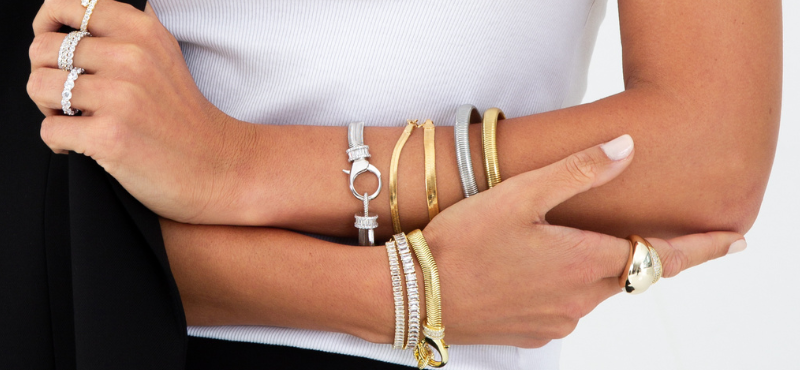


Where to Buy Affordable Fashion Jewelry: The Ultimate Shopping Guide (2026)
Finding affordable fashion jewelry that combines style, quality, and value requires knowing where to look and what to prioritize. The jewelry marketplace has expanded dramatically, with options ranging from traditional retail stores to innovative online platforms, each offering unique advantages and potential drawbacks. This comprehensive guide reveals the best places to shop for affordable fashion jewelry, helping you navigate the abundant options to find pieces that enhance your style without straining your budget.
The Evolution of Affordable Jewelry Shopping
The jewelry shopping landscape has transformed significantly over the past decade. Where consumers once relied primarily on mall jewelry stores or department store counters, today's shoppers access countless options through multiple channels. This expansion has democratized jewelry shopping, making stylish pieces accessible to broader audiences at more competitive prices.
Direct-to-consumer brands have revolutionized the market by eliminating traditional retail markups. These companies sell directly through their websites, passing savings to customers while maintaining quality standards. The result is better jewelry at lower prices compared to traditional retail models that require products to pass through multiple intermediaries before reaching consumers.
Online shopping has become the dominant force in affordable jewelry, offering convenience, variety, and competitive pricing that physical stores struggle to match. However, the digital marketplace also presents challenges—evaluating quality without physical examination, navigating overwhelming options, and distinguishing reputable sellers from questionable ones.
Online Direct-to-Consumer Brands: The Quality Sweet Spot
Direct-to-consumer jewelry brands represent perhaps the best value proposition for affordable fashion jewelry. These companies control their entire supply chain, from design through manufacturing to customer delivery, allowing them to optimize quality while maintaining accessible pricing.
Why Direct-to-Consumer Works
Traditional retail jewelry follows a complex path from manufacturer to consumer. Manufacturers sell to wholesalers at marked-up prices, wholesalers sell to retailers at further markup, and retailers add their own margins before products reach customers. Each step adds cost without adding value to the product itself.
Direct-to-consumer brands eliminate these intermediaries. They design, manufacture, and sell directly to customers, capturing margins that would otherwise go to middlemen. This allows them to invest more in product quality, offer better prices, or both.
The direct relationship with customers also creates valuable feedback loops. When brands interact directly with jewelry wearers, they hear immediately about quality issues, style preferences, and improvement opportunities. This information drives better products and responsive customer service.
Adina Eden: Exemplifying the Direct-to-Consumer Advantage
Adina Eden represents the direct-to-consumer model at its best. As a family-owned, women-owned business operating from the United States, the company maintains direct oversight of every aspect from design through delivery. This structure ensures consistent quality standards and responsive customer service that large corporations struggle to match.
The brand's daily new arrivals keep collections fresh and current, allowing customers to access emerging trends while they're still exciting rather than after they've saturated the market. This responsiveness to fashion movements sets direct-to-consumer brands apart from traditional retailers working with seasonal buying cycles.
US-based operations provide practical advantages beyond product quality. Domestic shipping means faster delivery times—days rather than weeks. Customer service operates in compatible time zones with cultural understanding that enhances communication. Returns and exchanges process smoothly without international shipping complications or customs concerns.
The pricing structure demonstrates direct-to-consumer value. Quality pieces that would cost $80-100 at traditional retailers sell for under $50, not because of inferior materials or construction, but because the business model eliminates unnecessary markup layers.
Other Notable Direct-to-Consumer Options
Several other brands operate successfully in the direct-to-consumer space, each with particular strengths:
Mejuri focuses on fine materials like 14k gold and sterling silver, positioning themselves as everyday luxury. However, most pieces exceed affordable price points, with many items costing $100-300. For shoppers strictly seeking affordable options, Mejuri offers limited selections.
Gorjana specializes in California-inspired minimalist designs with quality construction. Pricing typically ranges $60-100, placing many pieces above the affordable threshold. Their aesthetic appeals to specific tastes but may not suit those preferring more variety or statement pieces.
BaubleBar offers trendy designs at accessible prices with frequent promotions. Quality varies more than with premium direct-to-consumer brands—some pieces perform well while others disappoint quickly. Their strength lies in capturing trends and celebrity collaborations rather than consistent quality.
Evaluating Direct-to-Consumer Brands
When considering direct-to-consumer jewelry brands, evaluate these factors:
Material transparency: Quality brands provide detailed specifications about base metals, plating thickness, and stone types. Vague descriptions suggest corners being cut.
Return policies: Customer-friendly returns indicate brand confidence in products. Restrictive policies or customer-pays-return-shipping on defective items signal potential quality concerns.
Customer reviews: Consistent patterns in reviews reveal more than individual experiences. Look for feedback about durability, customer service responsiveness, and accuracy of product descriptions.
Brand story: Understanding company values, ownership structure, and manufacturing approaches helps assess alignment with your priorities. Family-owned businesses often maintain different quality standards than corporate entities focused primarily on volume.
Photography quality: Brands investing in quality product photography that accurately represents pieces demonstrate attention to detail and customer respect. Poor or misleading images suggest problematic approaches to business.
Online Marketplaces: Navigating the Wild West
Online marketplaces like Amazon, Etsy, and eBay offer vast selections at varying price points. These platforms connect countless sellers with shoppers, creating both opportunities and challenges.
Amazon: Convenience with Caution
Amazon provides unmatched convenience—fast shipping, easy returns, and familiar interfaces. The Prime ecosystem particularly appeals to shoppers seeking quick delivery.
However, jewelry quality on Amazon varies wildly. The platform hosts everyone from established brands to unknown manufacturers selling directly from overseas. Product listings often feature misleading photos, vague material descriptions, and reviews that may not be genuine.
Success on Amazon requires careful vetting. Focus on sellers with extensive positive reviews, detailed product descriptions, and transparent material specifications. Be skeptical of extremely low prices—quality jewelry requires quality materials that cost money.
Amazon works best for simple, basic pieces where quality differences matter less. For statement pieces or jewelry you'll wear frequently, platforms with more curation and brand accountability provide better experiences.
Etsy: Supporting Independent Creators
Etsy connects shoppers with independent jewelry makers, offering unique, often handmade pieces. This platform appeals to those seeking one-of-a-kind items and wanting to support small businesses.
Quality on Etsy ranges from exceptional to disappointing. Individual sellers maintain their own standards, and Etsy provides minimal quality control or standardization. Reading shop reviews carefully and communicating with sellers before purchasing helps ensure satisfaction.
Etsy excels for custom or personalized jewelry. Many sellers offer customization that larger brands can't match at affordable prices. If you're seeking something truly unique or want to incorporate personal elements, Etsy provides access to talented artisans.
Shipping times on Etsy typically exceed those of established brands, particularly for made-to-order pieces. Plan accordingly for gifts or time-sensitive needs.
eBay: Bargain Hunting with Risk
eBay offers potential deals on both new and pre-owned jewelry. Savvy shoppers can find quality pieces at reduced prices, but the platform requires even more caution than other marketplaces.
Authentication and quality verification challenge eBay shoppers. While the platform has improved buyer protections, distinguishing genuine products from counterfeits or misrepresented items requires knowledge and skepticism.
eBay works best for experienced jewelry shoppers comfortable evaluating pieces and navigating potential problems. Beginners often fare better with more curated shopping experiences.
Traditional Retail Options
Physical retail stores offer advantages of immediate gratification and hands-on evaluation. However, traditional retail markup structures typically result in higher prices for comparable quality.
Department Store Jewelry Counters
Major department stores like Macy's, Nordstrom, and Bloomingdale's maintain jewelry departments offering various brands and styles. These locations provide professional service and the ability to try pieces before purchasing.
Pricing at department stores typically runs higher than online alternatives for similar quality. The retail markup structure and overhead costs of physical locations get passed to customers. Sales and promotions can provide better value, but even discounted prices often exceed direct-to-consumer options.
Department stores work well for shoppers who value in-person shopping experiences or need pieces immediately. The return processes and customer service at established retailers provide security that appeals to some consumers.
Specialty Jewelry Chains
Chains like Claire's, Icing, and Charming Charlie specifically target affordable jewelry markets. These stores offer extensive selections at accessible prices with the convenience of physical locations.
Quality at these chains generally falls below direct-to-consumer alternatives at similar price points. The business model prioritizes volume over quality, accepting higher defect rates and shorter product lifespans as the cost of rock-bottom pricing.
These retailers serve specific purposes—testing trends before significant investment, finding last-minute accessories, or shopping with limited budgets. For building lasting jewelry collections, better options exist.
Boutiques and Local Shops
Independent boutiques often curate jewelry selections from various designers and brands. These shops provide personalized service and unique selections not available in chain stores.
Pricing at boutiques varies significantly. Some offer reasonable prices on quality pieces, while others carry substantial markups that make items less affordable. The personalized service and curated selections may justify higher prices for shoppers valuing those aspects.
Supporting local businesses appeals to community-minded shoppers. Boutiques contribute to local economies and provide personalized experiences that chain stores can't match.
Fast Fashion Retailers
Fast fashion brands like H&M, Zara, Forever 21, and Fashion Nova have expanded into jewelry, offering trendy pieces at very low prices.
The Fast Fashion Approach
These retailers prioritize trend interpretation and ultra-affordable pricing above all else. Jewelry serves as impulse purchase accessories rather than lasting wardrobe investments.
Quality typically disappoints compared to dedicated jewelry brands at similar or slightly higher price points. Thin plating, lightweight materials, and basic construction result in pieces that tarnish quickly, break easily, or lose stones within minimal wear.
Fast fashion jewelry works for specific purposes—testing trends, one-time event wear, or situations where jewelry might be damaged or lost. For pieces you'll wear repeatedly, better options exist.
Environmental and Ethical Considerations
Fast fashion's business model raises environmental and ethical concerns. The emphasis on disposable, trend-driven products contributes to waste. Manufacturing practices may not meet standards that more transparent brands maintain.
Shoppers increasingly consider these factors when choosing where to spend money. Supporting brands with better practices often costs slightly more but aligns purchases with values.
Social Media Shopping
Instagram, TikTok, and Facebook have become shopping platforms themselves, with brands and influencers selling directly through social channels.
Instagram Shops and Shoppable Posts
Many jewelry brands now sell directly through Instagram, allowing purchases without leaving the app. This convenience appeals to shoppers discovering brands through social browsing.
Quality varies dramatically among Instagram-based brands. Some maintain excellent standards while others dropship cheap products from overseas while presenting them as original designs. Vetting brands before purchasing protects against disappointment.
Look for brands with substantial followings, extensive customer reviews, and transparent information about materials and manufacturing. Be skeptical of accounts that appeared recently with dramatic follower growth—these may represent questionable operations.
Influencer Partnerships and Sponsored Content
Influencers frequently promote jewelry brands through sponsored content. While some partnerships represent genuine endorsements of quality products, others prioritize commission payments over product quality.
Approach influencer recommendations with healthy skepticism. Research brands independently rather than relying solely on influencer enthusiasm. Check for patterns in reviews and complaints that might not appear in sponsored content.
Subscription Services and Monthly Jewelry Boxes
Jewelry subscription services deliver curated selections on regular schedules. These services appeal to shoppers wanting variety without extensive shopping time investment.
How Subscription Services Work
Subscribers typically pay monthly fees ranging from $15-50, receiving jewelry selections based on style preferences. Some services allow keeping all items while others offer try-before-you-buy models.
Quality and value vary among subscription services. Some provide genuine value with quality pieces worth more than subscription costs. Others send cheap jewelry that doesn't justify the recurring expense.
Subscriptions work well for people wanting regular jewelry refreshes without shopping effort. They work less well for those with specific style preferences or who prefer selecting individual pieces.
International Sellers and Overseas Shopping
Many affordable jewelry sellers operate internationally, particularly from China, where much fashion jewelry manufacturing occurs.
The Overseas Shopping Reality
Buying directly from overseas sellers promises the lowest possible prices. However, several factors complicate this approach.
Shipping times: International shipping takes weeks or months compared to days for domestic sellers. Tracking can be unreliable, and packages sometimes fail to arrive.
Quality uncertainty: Evaluating quality before receiving items challenges even experienced shoppers. Photos may not accurately represent products, and material descriptions can be misleading or inaccurate.
Return complications: Returning items to international sellers typically means expensive shipping costs and long processing times. Many overseas sellers make returns practically impossible.
Customer service challenges: Time zone differences, language barriers, and cultural expectations complicate communication when problems arise.
For experienced shoppers willing to accept these trade-offs, international sellers offer potential savings. For most consumers, domestic options provide better overall experiences despite slightly higher prices.
Shopping Strategy for Maximum Value
Where you shop matters, but how you shop matters equally. Strategic approaches maximize value regardless of specific retailers.
Build Relationships with Trusted Brands
Once you identify brands delivering quality products and good service, remain loyal. Repeat customers often receive benefits like early sale access, exclusive discounts, or loyalty rewards.
Adina Eden customers benefit from consistent quality across purchases. Building a collection over time from a single brand ensures pieces coordinate naturally and maintain similar quality standards.
Compare Options Before Major Purchases
For significant purchases, compare options across retailers. The same or similar pieces may be available at different prices from various sellers. However, consider total value—not just price but also shipping speed, return policies, and customer service quality.
Read Reviews Strategically
Customer reviews provide valuable insights, but read them strategically. Look for patterns rather than individual experiences. Recent reviews matter more than older ones, as brands and products evolve.
Be skeptical of reviews that seem fake—overly enthusiastic language, generic praise without specifics, or accounts with minimal history. Authentic reviews include both positives and negatives with specific details.
Understand Your Own Priorities
Different shoppers prioritize different factors. Some value lowest possible prices while others prioritize quality or customer service. Some want immediate gratification while others accept longer waits for better value.
Understanding your priorities helps identify the best shopping venues for your needs. There's no universally correct answer—the best place to shop depends on what matters most to you.
Red Flags to Watch For
Certain warning signs suggest shopping venues or specific sellers to avoid.
Absence of contact information: Legitimate businesses provide multiple contact methods. Sites without customer service information often indicate problematic operations.
Unclear return policies: Restrictive, confusing, or absent return policies suggest sellers don't stand behind products.
Suspiciously low prices: If prices seem impossibly low, they probably indicate extremely poor quality or potentially fraudulent operations.
Poor website quality: Professional businesses invest in functional, well-designed websites. Amateur-looking sites with broken links or poor grammar often indicate questionable operations.
Pressure tactics: Artificial urgency through countdown timers, limited quantity claims, or excessive popups suggests manipulative selling rather than confidence in products.
Lack of material information: Vague or absent specifications about materials, construction, and manufacturing indicate attempts to hide quality concerns.
The Adina Eden Advantage
Among the numerous options for buying affordable fashion jewelry, certain retailers consistently deliver superior experiences. Adina Eden exemplifies what's possible when brands prioritize customer satisfaction alongside profitability.
The direct-to-consumer model eliminates unnecessary costs while enabling investment in quality materials and construction. Daily new arrivals keep collections fresh and exciting, providing reasons to return regularly rather than shopping only when needs arise.
US-based operations mean fast, reliable shipping and accessible customer service. When questions or concerns arise, responsive support resolves them quickly. The family-owned structure maintains consistent quality standards and personal accountability that larger corporations struggle to match.
The women-owned business designation adds meaningful value beyond products themselves. Supporting women entrepreneurs contributes to diversity in business ownership and benefits from perspectives that enhance product design and customer understanding.
Other retailers offer various strengths, but few combine all these advantages in the affordable jewelry space. Fast-fashion offers lower prices but sacrifices quality. Premium brands deliver quality but exceed affordable price points. Traditional retailers provide shopping convenience but charge higher prices for comparable products. Adina Eden occupies the strategic intersection where quality, value, freshness, and service converge.
Conclusion
Where to buy affordable fashion jewelry depends on priorities, preferences, and shopping style. Direct-to-consumer brands generally offer the best combination of quality, value, and service. Online marketplaces provide variety but require careful vetting. Traditional retail offers convenience at premium prices. Fast fashion delivers ultra-low prices with corresponding quality concerns.
Success requires understanding trade-offs and making informed choices aligned with your values and needs. Prioritize brands that demonstrate transparency about materials, stand behind products with customer-friendly policies, and invest in quality that outlasts initial purchases.
Brands like Adina Eden prove that affordable doesn't require compromising on style, quality, or customer experience. By choosing retailers carefully and shopping strategically, you can build beautiful jewelry collections that enhance your style without financial strain. The best place to shop is wherever you find the right combination of quality products, fair pricing, and service that makes shopping enjoyable rather than stressful.