

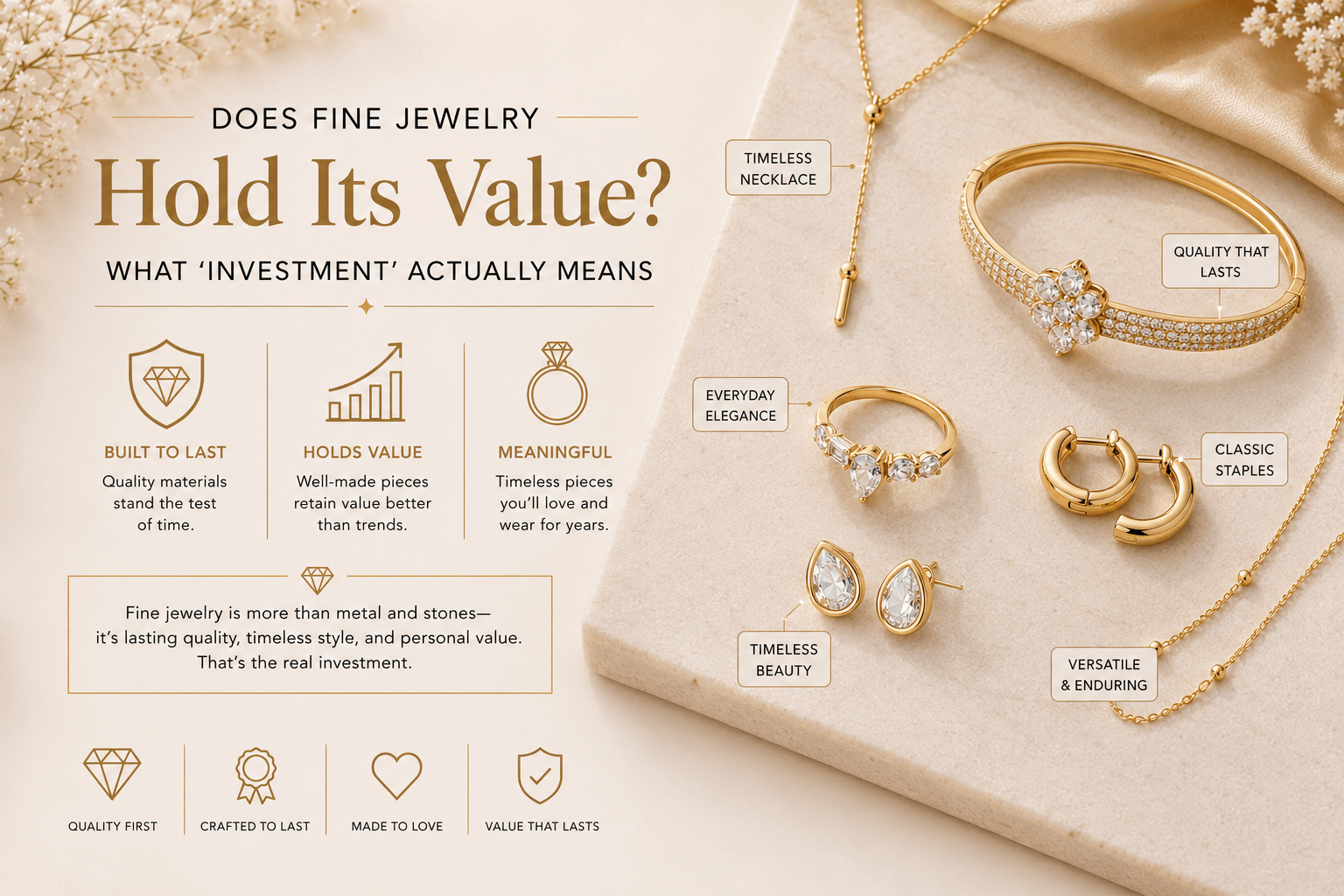
When you search "is fine jewelry a good investment," most results will either oversell the resale potential or dismiss the question entirely. Neither is useful if you're standing at the edge of your first real jewelry purchase, trying to decide whether spending more actually makes sense.
The honest answer: fine jewelry can be a very smart financial decision, just not for the reasons most people assume. The value isn't primarily in resale. It's in what you get from the piece over years of ownership.
The short answer: Fine jewelry made from solid 14K gold holds intrinsic material value, lasts decades with basic care, and costs far less per wear than cheaper pieces you'll replace every year. That's the real investment case.
Here's what "investment" actually means in the context of fine jewelry, and which categories genuinely hold their value better than others.
Fine Jewelry vs. Plated Jewelry: The Real Cost Comparison
This is the comparison most first-time buyers skip, and it's the most important one to understand before you spend anything.
Gold-plated jewelry is coated in a thin layer of gold, typically 0.5 to 2.5 microns thick, over a base metal like brass or sterling silver. That coating wears off. Depending on how often you wear a piece and how you care for it, plating can fade in as little as six months to a year. Replating costs money, and at some point, the piece simply isn't worth maintaining.
Solid 14K gold is 58.3% pure gold by composition. That gold content doesn't disappear. The piece can be resized, repaired, and polished indefinitely. It can be melted down for its scrap value if you ever choose to part with it.
The cost-per-wear math matters here. A gold-plated necklace at $40 that you replace twice a year costs you $80 annually. A solid 14K gold necklace at $250 that you wear daily for ten years costs $25 per year. The fine piece wins on value before you even factor in resale.
- Gold-plated jewelry: Low upfront cost, no scrap value, finite lifespan
- Solid 14K gold: Higher upfront cost, recoverable metal value, indefinite lifespan with care
- Cost-per-wear advantage: Fine jewelry typically wins within 2 to 3 years of regular wear
Which Fine Jewelry Categories Hold the Most Value?
Not all fine jewelry holds value equally. Here's an honest breakdown of the main categories, ranked by how well they retain value over time.
Solid Gold Jewelry: The Strongest Case
Gold is a commodity with a real, trackable market price. When you buy a solid 14K or 18K gold piece, you're buying something with a floor value tied to the current gold spot price. That floor doesn't evaporate the way plating does.
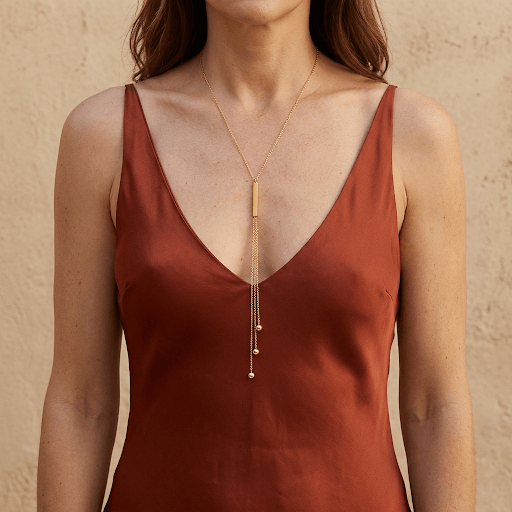
Gold jewelry also benefits from craftsmanship and design. A well-made piece from a recognized brand can hold more of its retail value than raw gold alone, particularly if it remains in good condition. For resale, expect to recover somewhere between 40% and 70% of retail depending on the piece, the buyer, and market conditions at the time.
Natural Diamonds: Valuable, But Not a Flip
Natural diamonds are durable and culturally significant, but the resale market is more complicated than most people realize. Retail diamond prices include significant markups.
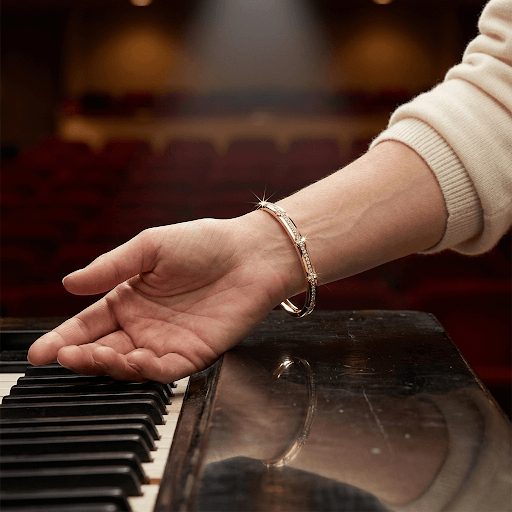
When reselling, most natural diamonds fetch 20% to 50% of their original retail price through secondary markets, and less through pawn shops or general resellers.
The value case for natural diamonds is ownership, not resale. A well-chosen diamond piece will last your lifetime and beyond. That's meaningful, but it's not a financial return.
Lab-Grown Diamonds: Honest Expectations Required
Lab-grown diamonds are chemically and physically identical to natural diamonds. They're also significantly more affordable at retail, which makes them an excellent choice for getting a larger, higher-quality stone within your budget.
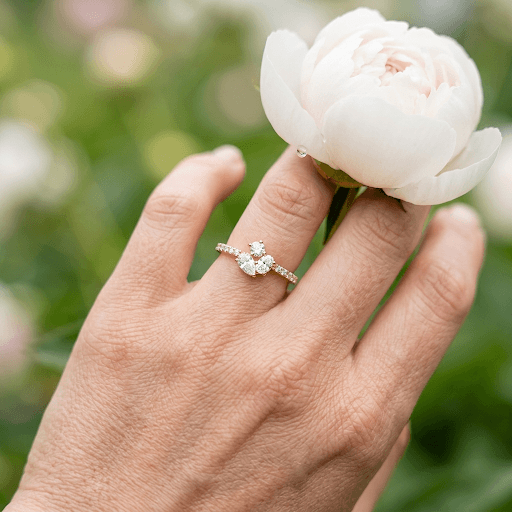
However, their resale value is lower than natural diamonds, typically 10% to 30% of retail, and the secondary market is still developing.
The investment case for lab-grown diamonds is the same as for all fine jewelry: durability, material quality, and the ability to own something that lasts. It's not resale.
Value Retention at a Glance
Category | Resale Recovery (Approximate) | Long-Term Ownership Value |
Solid 14K/18K Gold | 40% to 70% of retail | Very high |
Natural Diamonds | 20% to 50% of retail | High |
Lab-Grown Diamonds | 10% to 30% of retail | High (material quality) |
Gold-Plated Jewelry | Negligible | Low to moderate |
Note: Resale percentages vary based on condition, buyer, current market, and piece design. These figures reflect general secondary market ranges, not guaranteed returns.
What Makes a Fine Jewelry Piece Worth Buying?
Resale value is one factor. But for most people buying fine jewelry for the first time, these are the qualities that determine whether a piece is actually worth the price.
- Material integrity: Solid 14K gold won't tarnish, won't flake, and won't leave your skin green. The metal holds up to daily wear in a way that plated pieces simply can't match.
- Repairability: Fine jewelry can be resized, re-tipped, re-polished, and repaired by a jeweler. A broken plated piece is usually just replaced. A broken gold piece is fixed.
- Versatility over time: Classic silhouettes in solid gold, like a simple hoop, a chain necklace, or a stud earring, don't go out of style. You're not buying for this season.
- Wearability: The best investment is a piece you actually wear. Fine jewelry that earns a place in your daily rotation delivers more value than a statement piece worn twice a year.
The question to ask before any fine jewelry purchase isn't "will this be worth more later?" It's "will I still want to wear this in ten years?" If the answer is yes, the investment is already sound.
Where to Start: Building a Fine Jewelry Foundation?
If you're moving up from plated pieces for the first time, the smartest approach is to start with everyday essentials in solid 14K gold. These are the pieces that will earn their cost back through daily wear faster than anything else.
A few categories worth prioritizing:
- Hoops and huggie earrings: Worn daily, universally flattering, and available in a range of sizes and finishes. A solid gold hoop is one of the highest-utility fine jewelry purchases you can make.
- Chain necklaces: A simple gold chain layers well, works alone, and never reads as trend-dependent. It's a foundation piece that makes everything else in your collection easier to style.
- Stud earrings: A small diamond or gold stud earring in solid 14K gold is the kind of piece that gets worn more than almost anything else in a jewelry collection.
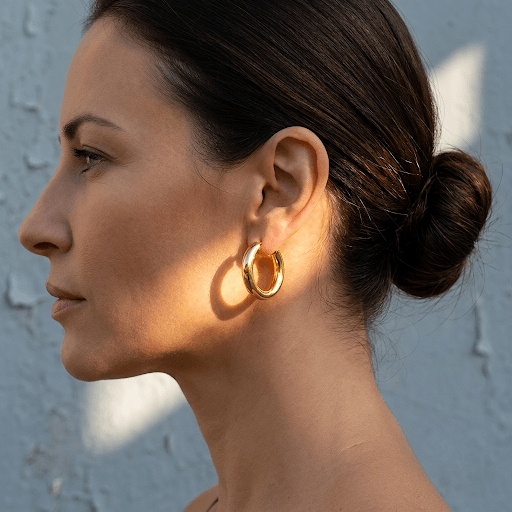
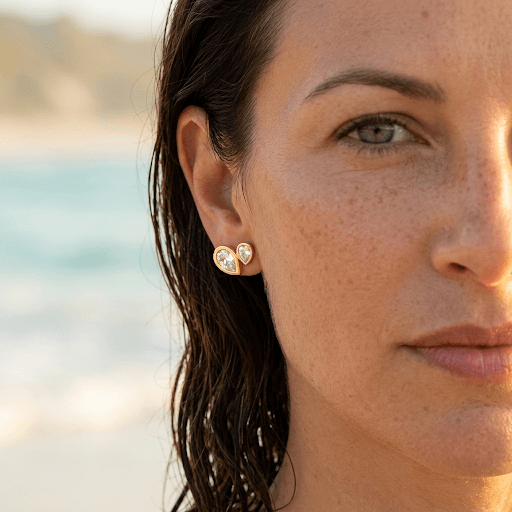
You don't need to buy everything at once. One well-chosen solid gold piece you wear every day is a better investment than five plated pieces you rotate through and eventually discard.
Browse 14K gold jewelry essentials and start with one piece that fits your daily routine. That's where the real value begins.
FAQs
Is fine jewelry a good investment?
For most buyers, fine jewelry is not an investment in the resale-profit sense. It can still be a smart long-term purchase because solid materials like 14K gold last longer, hold intrinsic material value, and usually cost less per wear than pieces you replace often.
Does fine jewelry hold its value?
Fine jewelry can hold some value, but not always close to retail price. Solid gold pieces usually retain value better than plated jewelry, while the resale value for diamonds depends on the type of stone, design, condition, and buyer demand.
What kind of jewelry holds its value best?
Classic solid gold pieces such as chains, hoops, bangles, and simple bands tend to hold value better than trend-driven styles. Natural diamonds may retain some resale value, while lab-grown diamonds are usually better for affordability than for resale.
Is 14K gold worth buying over gold-plated jewelry?
Yes, if you want durability and long-term wear. Solid 14K gold contains real gold throughout the piece, can be repaired and polished over time, and has recoverable material value. Gold-plated jewelry has a lower upfront cost but little to no scrap value and a shorter lifespan.
Do lab-grown diamonds hold value?
Lab-grown diamonds can be a good buying choice for size, sparkle, and price, but they usually hold less resale value than natural diamonds. They make the most sense when you care more about long-term wear and visual impact than resale potential.