

Fine jewelry used to mean one of two things: a significant budget or a significant compromise. That's no longer true.
A new tier of brands has made it genuinely possible to buy solid 14K gold, lab-grown diamonds, and well-crafted pieces without spending what you'd expect at a traditional jeweler. But "affordable fine jewelry" gets used loosely, and not every brand that claims the label delivers on it.
What actually separates a good, affordable fine jewelry brand from a fast-fashion brand with better marketing:
- The base metal matters. Solid 14K gold lasts indefinitely. Gold-plated brass does not.
- Stone quality is quantifiable. Look for brands that list carat weight, color grade, and clarity, or offer IGI-certified pieces.
- Craftsmanship shows up in the details: even pavé settings, clean prongs, consistent finish.
This guide covers the top-rated fine jewelry brands that deliver on all three, organized by what they do best, so you can find the right fit for your first real investment piece.
What Makes Fine Jewelry "Affordable" Without Being Cheap?
Before diving into specific brands, it helps to understand the tiers. The jewelry market broadly breaks into three categories:
Tier | Materials | Price Range | Longevity |
Fine Jewelry | Solid 14K/18K gold, natural or lab diamonds | $150 to $2,000+ | Lifetime |
Demi-Fine | Gold vermeil, gold fill, sterling silver | $50 to $400 | 2 to 5 years with care |
Fashion Jewelry | Gold-plated brass or base metal | Under $100 | 6 to 18 months |
The Best Affordable Fine Jewelry Brands, by Category
Best for Variety and Lab-Grown Diamonds: Adina Eden
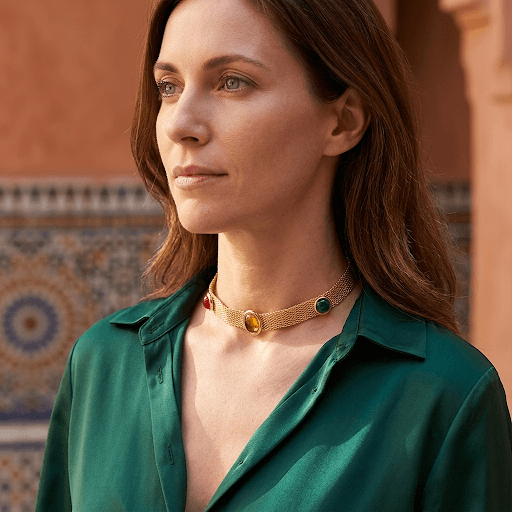
Adina Eden occupies a genuinely useful spot in the market: the range spans gold-plated fashion pieces all the way up to solid 14K gold and IGI-certified lab-grown diamond jewelry, which means you can build an entire collection from one brand without the price inconsistency that usually comes with that range.
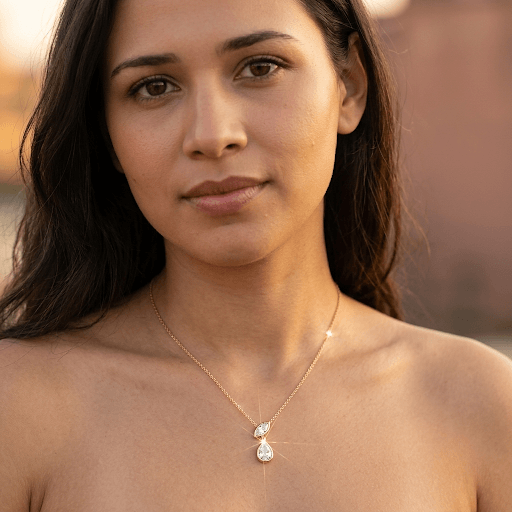
What makes it stand out as a first investment piece is its selection of lab-grown diamonds. Pieces like the Lab Grown Diamond Marquise X Pear Drop Necklace 14K feature G-color, VS1-clarity stones at a fraction of what you'd pay for the equivalent in natural diamonds.
The designs lean toward distinct silhouettes, unusual stone shapes, and layered textures rather than the minimal single-stone look that dominates most of the competition.
- Price range: $30 (fashion) to $1,500+ (fine/lab diamond)
- Best for: First-time fine jewelry buyers who want options across budgets, or anyone looking for lab-grown diamond pieces with certified quality
- What to know: The plated pieces are fashion jewelry, not fine. Stick to the 14K solid gold and lab-grown diamond lines for investment-grade pieces.
Best for Minimalist Everyday Wear: Mejuri
Mejuri built its reputation on clean, minimal 14K gold pieces designed for daily wear. The brand releases new pieces weekly, and its price point (many pieces under $150) makes it accessible for a first purchase.
The tradeoff is aesthetic range. Mejuri's strength is restraint: simple chains, small studs, thin bands.
If you want something with more visual weight, texture, or stone variety, the catalog feels limited. But for a classic gold necklace or pair of studs you'll wear every day without thinking about it, it's a reliable choice.
- Price range: $50 to $500
- Best for: Minimalist buyers who want one or two everyday staples in solid gold
- What to know: Mostly demi-fine (gold vermeil) at the lower price points; solid 14K gold pieces are available but cost more
Best Under $100 for Demi-Fine: Gorjana
Gorjana is the go-to for layering pieces at accessible price points. Based in Laguna Beach, the brand specializes in 18K gold-plated and vermeil necklaces, bracelets, and earrings with a relaxed, wearable aesthetic. Most pieces fall under $100.
It is worth being clear-eyed about what that means: Gorjana's pieces are demi-fine, not fine. They will need replating eventually. But for building a layering stack or trying out a style before committing to solid gold, the quality-to-price ratio is strong.
- Price range: $25 to $300
- Best for: Budget-conscious buyers who want layering pieces without committing to solid gold prices
- What to know: Gorjana has introduced a solid 14K gold and diamond line, but the brand's core is demi-fine
Best for Artisan-Feel Solid Gold: Catbird
Catbird is a Brooklyn-based brand known for handcrafted solid 14K gold pieces with an unmistakably artisan quality. Stacking rings are the hero category, with prices starting around $50 and a sweet spot between $100 and $200 for rings and necklaces.
The aesthetic is delicate and intentional, with organic shapes and textures that feel handmade rather than mass-produced.
Catbird is also known for its transparent sourcing practices and ethical material standards, which matter to a growing number of fine jewelry buyers.
- Price range: $50 to $400 (some pieces up to $5,000 for engagement rings)
- Best for: Buyers who prioritize craftsmanship, ethical sourcing, and a distinctive artisan aesthetic
- What to know: Solid 14K gold throughout the core collection; this is genuine fine jewelry at the lower end of the price range
Best for Lab-Grown Diamonds on a Budget: Aurate
Aurate focuses on solid gold and responsibly sourced diamonds, with lab-grown options available at accessible price points. The brand positions itself around the idea that fine jewelry should be an everyday decision, not a once-a-decade one.
Designs are clean and modern without being as stripped-back as Mejuri. Aurate is a strong option for anyone who wants a diamond piece in solid gold but finds traditional jeweler pricing prohibitive.
- Price range: $100 to $800
- Best for: Buyers specifically looking for diamond pieces in solid gold at accessible prices
- What to know: Quality is consistent; the brand is transparent about materials and sourcing
How to Choose the Right Brand for Your First Fine Jewelry Purchase?
The right brand depends less on which one has the best overall reputation and more on what you actually need from the piece. A few questions worth asking before you buy:
1. Are you buying to keep forever, or to wear now?
If the answer is forever, prioritize solid 14K gold and stay away from anything gold-plated, regardless of how good the price looks. Solid gold does not tarnish, does not require replating, and holds its value. Plated pieces, even well-made ones, have a lifespan.
2. Does the stone quality matter to you?
For diamond pieces specifically, always look for brands that publish the 4Cs (cut, color, clarity, carat) and, ideally, offer IGI-certified stones. A lab-grown diamond with E color and VS1 clarity is a real, measurable quality standard. "Diamond-inspired" or "diamond-like" language is not.
3. How much visual variety do you want?
Some brands do one thing very well (Catbird's stacking rings, Mejuri's minimal chains). Others offer a wide enough range that you can build a full collection from a single source. If you want both everyday basics and statement pieces without juggling multiple brands, look for a catalog that genuinely spans both.
A note on lab-grown diamonds: They have the same physical, chemical, and optical properties as mined diamonds. The only meaningful difference is origin and price.
For a first fine jewelry investment, a lab-grown diamond piece in solid 14K gold gives you the most quality per dollar of anything in this category.
The Bottom Line
The fine jewelry market has genuinely opened up. You no longer need a luxury budget to own a piece that will last, hold its quality, and look like it cost significantly more than it did.
The brands in this guide each do something well. But if you want the widest range of certified fine jewelry at accessible prices, from gold-plated entry pieces to IGI-certified lab-grown diamond designs in solid 14K gold, Adina Eden covers more ground in one place than most.
Start with one piece you'll actually wear. A solid gold necklace, a pair of diamond studs, a stacking ring in 14K. Buy it from a brand that publishes its materials clearly, stands behind its quality, and makes pieces that look like more than what you paid. That's the whole criterion.
FAQs
What counts as affordable fine jewelry?
Affordable fine jewelry usually means a solid gold or certified diamond piece that feels accessible without sacrificing materials. For most shoppers, that starts around the low hundreds, with plated or demi-fine pieces priced lower and designed for shorter-term wear.
Is lab-grown diamond jewelry real fine jewelry?
Yes. Lab-grown diamonds have the same physical, chemical, and optical properties as mined diamonds. When they are set in solid gold and clearly graded, they count as real fine jewelry and often offer better value for first-time buyers.
What should I look for in my first fine jewelry purchase?
Focus on material quality first: solid 14K gold, published diamond specs, and clear craftsmanship details like even prongs and secure settings. If you want something to wear often, choose a piece that fits your everyday wardrobe rather than a trend-driven design.
Which fine jewelry brands are best for beginners?
Beginners usually do best with brands that offer both clear material information and a wide range of price points. That makes it easier to start with a simple staple, then build toward more investment-level pieces once you know what you wear most.
How do I know if a jewelry brand is worth the price?
Look for transparent materials, consistent stone grading, and details that signal longevity, like solid gold, certified diamonds, and well-finished settings. If a brand only talks about style and never explains the materials, the price is doing more work than the product.